


Edgy apparel for amputee advocates isn't just about making a statement—it's about reclaiming identity, confidence, and style after limb loss. Whether you're shopping for yourself or someone navigating life with a prosthetic, finding clothing that fits your body, matches your personality, and doesn't whisper apologies is a game-changer.
The right apparel does something powerful: it lets you show up as yourself, without accommodation clothing feeling like a compromise. Let's break down how to find pieces that work, feel great, and come with the irreverent attitude that says "I'm here, I'm capable, and I'm not boring."
In this article
- What Makes Edgy Apparel Work for Amputees
- Why Clothing Matters More Than You Think
- Key Features to Look For in Adaptive Apparel
- Shopping Smart for Edgy, Adaptive Apparel
- Adaptive Features Beyond the Basics
- Building Your Adaptive Wardrobe
- Making Advocacy Personal Through Style
- Your Questions About Edgy Adaptive Apparel
What Makes Edgy Apparel Work for Amputees
Adaptive clothing is designed with real bodies in mind. That means thoughtful construction—magnetic closures instead of fiddly buttons, reinforced seams where it matters, and cuts that don't bunch or shift when you're wearing a prosthetic.
But edgy apparel takes it further. It combines functional design with bold, witty messaging that celebrates who you are rather than what you've lost. A great piece should fit your lifestyle, your humor, and your body without apology.
Here's what separates genuinely useful adaptive wear from the rest:
- Magnetic closures and easy fastening — Buttons, zippers, and tiny snaps become obstacles when you're managing a prosthetic or have limited mobility in your hands. Magnets let you dress yourself quickly, independently, and without frustration.
- Prosthetic-friendly construction — Fabric that doesn't bunch under or around your device. Seams positioned so they don't dig in. Fits that account for the extra width or bulk that comes with wearing a prosthetic.
- Comfort as the foundation — Quality materials that breathe, move with your body, and hold up to real life. No scratchy tags, no seams that migrate after three washes.
- Bold, honest messaging — Humor that gets it. Wit that doesn't pity-whisper. Design that says "I'm confident" rather than "please feel sorry for me."
Why Clothing Matters More Than You Think
Limb loss changes your relationship with your body. Clothing is one of the first ways you rebuild that relationship. What you wear affects how you feel, how you move, and how you show up in the world.
A t-shirt with edge and humor does something subtle but massive: it reframes the conversation. Instead of your apparel being about accommodation or disability, it becomes about personality, confidence, and belonging. That shift is psychological gold.
When your clothes fit right and feel like *you*, you stop thinking about adaptation and start thinking about the day ahead. That's what adaptive apparel should deliver.
Key Features to Look For in Adaptive Apparel
Not all adaptive clothing is created equal. Here's what actually matters when you're shopping:
Magnetic Closures
One-handed dressing is real. Magnetic closures let you fasten shirts, pants, and jackets without wrestling with buttons or zippers. Look for strong, well-hidden magnets that feel secure, not flimsy.
Easy-Access Pants & Shorts
Modified seams, reinforced areas around the thigh, and stretch fabrics that move with your prosthetic make all the difference. Waistbands should be comfortable against your socket, not dig in or slip.
Reinforced Seams
Stress points—inner thighs, crotch seams, underarms—take a beating when you're active or wearing a prosthetic daily. Double stitching and quality thread mean your clothes last.
Breathable Fabrics
Moisture-wicking materials prevent sweat buildup under your socket or prosthetic. That means comfort, fewer skin issues, and clothes that don't feel clammy after a few hours of wear.
True-to-Size or Predictable Fit
Adaptive wear should come with sizing guides that actually tell you how pieces fit. Unilateral amputees may size differently on one side, and having clear fit info saves you from endless returns.
Shopping Smart for Edgy, Adaptive Apparel

You want pieces that celebrate your attitude, not your limitations. That means looking beyond generic "adaptive" brands and finding retailers who understand that amputee advocates want style, humor, and substance.
AnotherDAMMFind specializes in conversation-starting apparel with serious edge. They get that you're not shopping for sympathy wear—you're shopping for pieces that make you smile, start conversations, and reflect who you actually are.
What to prioritize when shopping:
- Fit over flash — A perfect-fitting plain tee beats an amazing graphic if it bunches up.
- Humor that lands — Your apparel should make *you* laugh, not make strangers uncomfortable.
- Quality construction — Seams, hems, and fabric weight matter more than trend-chasing designs.
- Real-world testing — Wear it for a full day with your prosthetic. Does it shift? Does it dig? Does it feel like you?
- Message that matters — Choose pieces where the messaging actually resonates with your experience and values.
Adaptive Features Beyond the Basics
Innovation in adaptive wear keeps pushing forward. Some newer options include:
Hybrid Closures — Combining magnetic fastening with traditional buttons gives you flexibility and style options depending on what you're doing that day.
Targeted Stretch Panels — Strategic placement of stretchy fabric around areas that need extra give (like around a prosthetic) without making the whole garment loose.
Removable Liners — For temperature control and easy sweat management without having to wash the whole piece.
Socket-Friendly Waistbands — Designed to sit comfortably over a prosthetic socket without pressure points or slipping, even when you're moving hard.
Building Your Adaptive Wardrobe
Start with basics that work in multiple settings. You need pieces that move from casual to dressier without changing your whole approach to getting dressed.
Build around colors and fits that you know work for your body and your prosthetic. Then add personality with bold graphics, witty messaging, and pieces that make you feel like yourself.
Quality adaptive apparel is an investment. When you find pieces that fit right, feel good, and match your vibe, stock up. Reliable basics are worth every penny.
Making Advocacy Personal Through Style
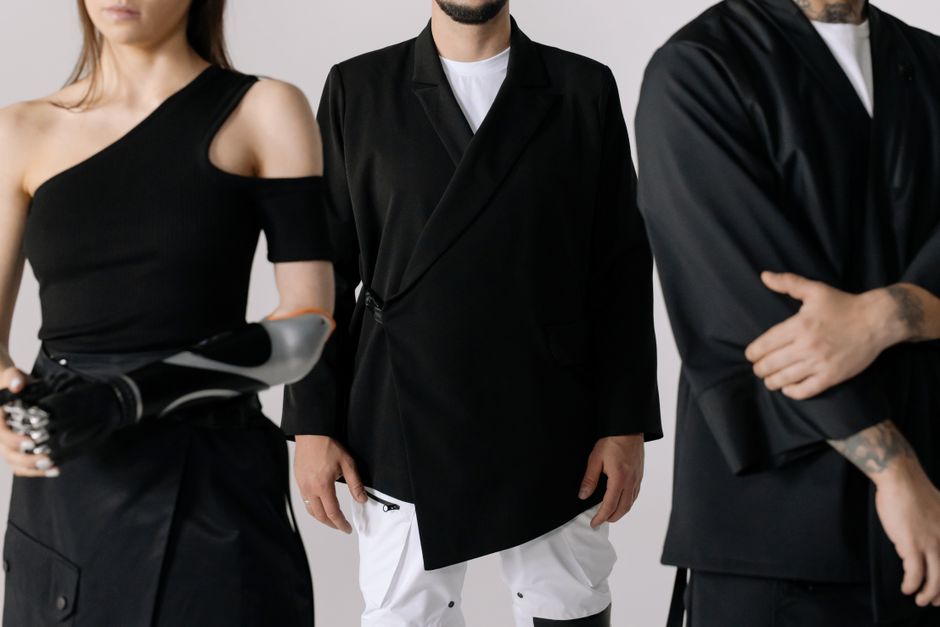
Edgy apparel is a form of advocacy itself. When you wear something bold and honest about your experience, you change the conversation around limb loss and disability. You're not hiding, you're not apologizing, and you're not performing inspiration for strangers.
Your clothes become part of your toolkit for resilience. They say something about how you move through the world—with confidence, humor, and zero fucks given about other people's comfort.
That's the power of finding apparel that actually gets it. It's not just about adaptive features. It's about being seen, feeling like yourself, and owning your space.
Your Questions About Edgy Adaptive Apparel
What's the difference between adaptive clothing and regular clothing with modifications?
Adaptive clothing is engineered from the ground up with limb loss or disability in mind. The seams, closures, and construction are all intentional. Modified regular clothing is an afterthought—you're basically trying to force a standard design to work for a different body. Adaptive wear is built for your reality, not retrofitted.
Can I wear regular t-shirts and jeans if I find the right fit?
Sure, if they work for you. But true adaptive apparel handles the specific challenges that come with wearing a prosthetic—socket comfort, sweat management, reinforced seams, and closures designed for one-handed use. Regular clothing can work, but it's not solving problems adaptive wear anticipates.
How do I know if a piece will fit with my prosthetic?
Look for detailed fit guides that show how pieces fit in the hip, thigh, and waist areas. Reach out to the retailer and describe your prosthetic and body type—they should be able to give you honest feedback on whether a piece will work. Returns and exchanges matter here, so make sure the policy is solid.
Is adaptive apparel more expensive than regular clothing?
Often, yes—but for good reason. Quality construction, specialized seaming, and thoughtful design cost more. You're paying for garments built to last through real life with a prosthetic. That durability and functionality are worth the investment if you find pieces that fit your needs and personality.


